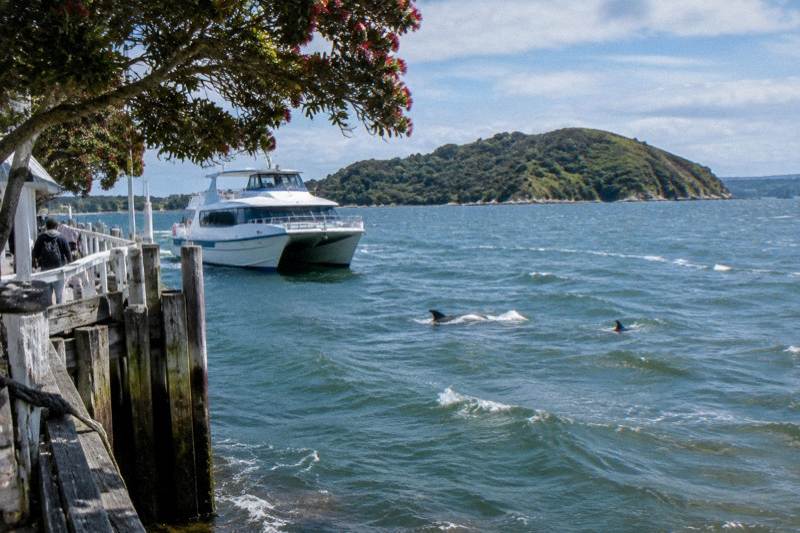
Can You Swim With Dolphins In New Zealand?
Not in the Bay of Islands: swimming with dolphins is not permitted there under the sanctuary 300 m rule. Here is why the sanctuary bans it, what the rules are, and which dolphin watching cruises from Paihia and Russell you can book instead.
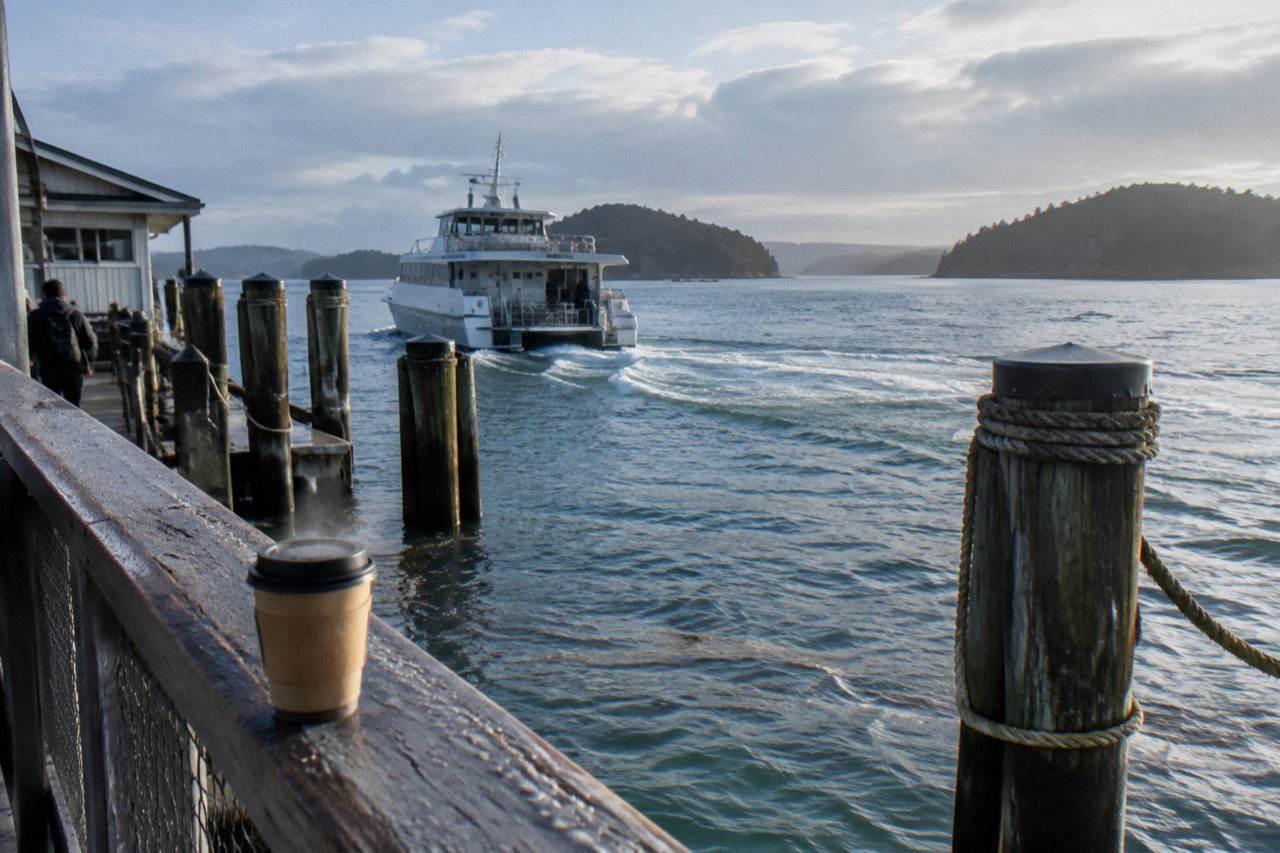
No, not in the Bay of Islands. The Te Pewhairangi Marine Mammal Sanctuary keeps every person out of the water within 300 m of any dolphin, whale or seal, and the rule covers swimming, snorkelling, diving and freediving alike. Every dolphin trip sold from Paihia and Russell is a watching cruise from the deck, and no tour on this site offers, or is allowed to offer, a swim. If you're wondering why the rules are so strict elsewhere too, Is It Safe To Swim With Wild Dolphins In The Ocean? explains the safety and legal side of swimming with wild dolphins in open water.
The Department of Conservation sanctuary page puts it plainly: no one is allowed in the water within 300 m of a marine mammal.
So what can you do? Plenty, as it turns out. The Bay of Islands holds more than 140 islands, and the tours covered here turn that into a full day on the water: dolphin watching from a cruise boat, a run out to Motukokako, the famous Hole in the Rock at the tip of Cape Brett, and island stops where a beach swim is perfectly legal because no marine mammal is involved. The Explore Group Hole in the Rock, Dolphins and Island Cruise, from $90 per person and rated 4.6 across 902 reviews, is built exactly around that shape: watching from the vessel, then about 1.5 hours ashore on Urupukapuka Island.
A reader asking whether swims exist is really choosing between a swimming idea that no longer exists and a watching cruise that very much does. The rest of this article sets out the rules as they stand, what they mean for boats leaving Paihia and Russell, and how a day on the water still delivers dolphins, islands and a swim, just never in the same moment.
Why Is Swimming With Dolphins Banned In The Bay Of Islands?
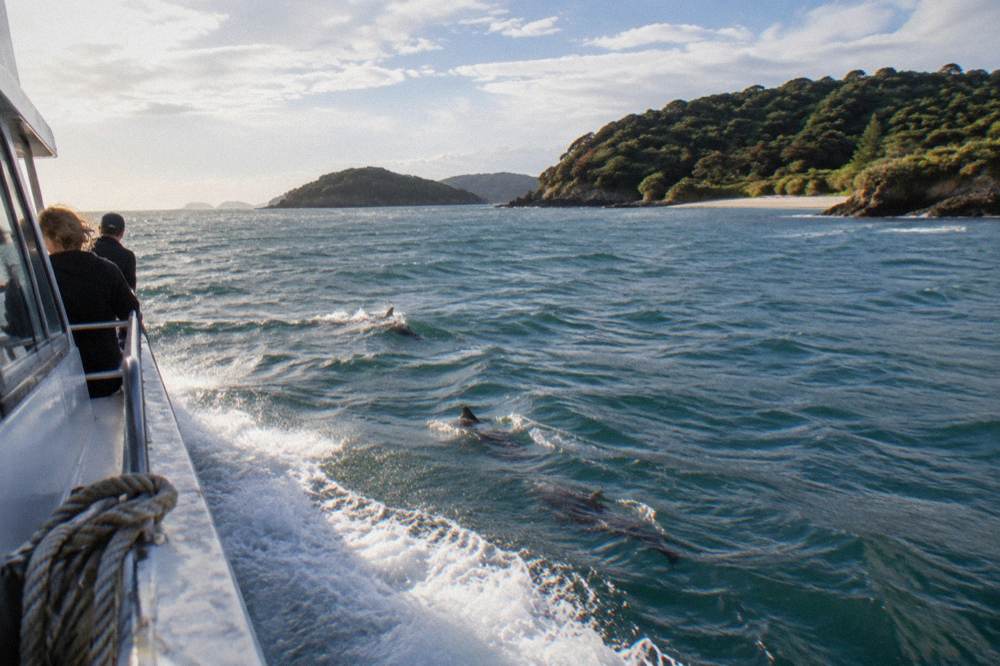
Swimming is banned because the local bottlenose dolphin population collapsed, and the sanctuary was created to protect what is left. NIWA surveys counted 244 bottlenose dolphins here in summer 1997, a low of 16 in summer 2019, and an autumn 2024 estimate of 40 individuals. Keeping people out of the water within 300 m of any marine mammal is the core protection, with infringement fees of $400, $600 or $800.
The numbers deserve a moment, because they explain the severity. A NIWA and Far Out Ocean Research Collective report for the Department of Conservation photo-identified 540 unique dolphins across 1,605 daily surveys between 1994 and 2024, and the trend line runs firmly downhill: 244 in summer 1997, 16 in summer 2019, 40 in autumn 2024 with a 95 percent range of 27 to 58. Calf mortality in the Bay is high compared with other areas, and the report concludes the decline merits management intervention. The DOC species page records 26 individual dolphins visiting the Bay of Islands area from 2020 data, out of roughly 450 in the wider North Island population between Doubtless Bay and Tauranga.
Pressure from tourism is identified as a likely main threat. DOC guidance notes that bottlenose dolphins spend 86 percent of daylight hours surrounded by vessels or humans, which reframes every encounter: the animal you are watching has almost no time when nobody is watching it. The 2019 permit conditions already prohibited all swimming with bottlenose dolphins and cut interaction time to 20 minutes per trip, and the sanctuary that followed in 2021 swept the rule across the whole area for commercial operators and private swimmers alike.
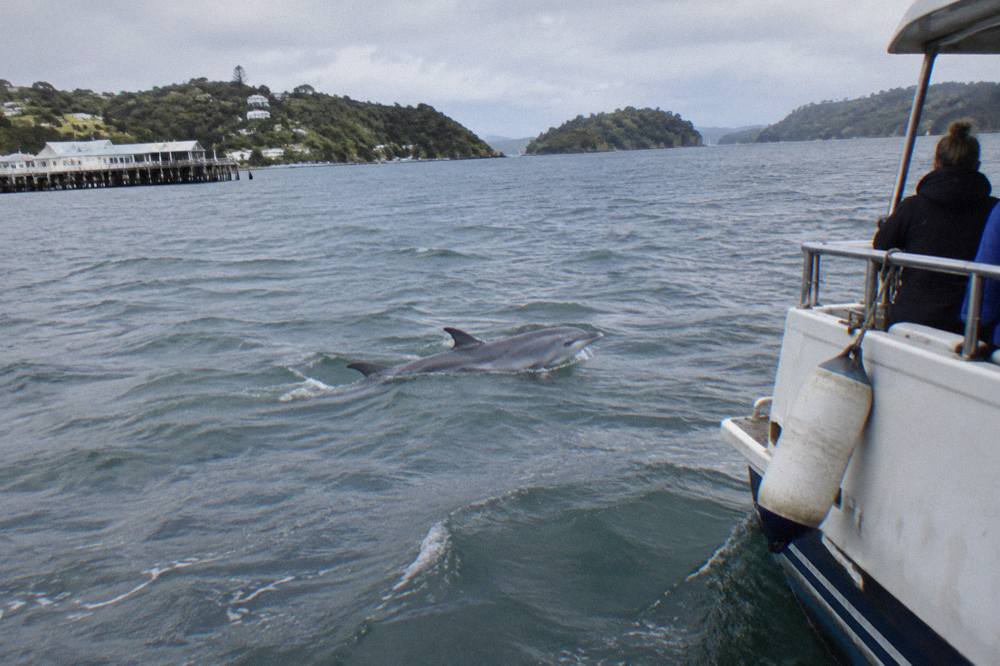
The penalties are not theoretical. Infringement fees run to $800, and prosecution can reach two years in prison or a fine up to $100,000. There is no species test and no age test in the water rule: a seal, a whale or any dolphin within 300 m means you stay out of the water. Practical day-to-day, that also works in reverse. A swim at an island beach is fine until a marine mammal comes within 300 m, at which point the beach rule is the same as the open water rule.
Thinking about what to book instead? The mid-price option among the cruises that name dolphins in their descriptions is the Explore Group Discover the Bay cruise with island lunch, from $121 per person, rated 4.7 across 302 reviews, which pairs the watching with a 1.5-hour stop at Otehei Bay and a buffet lunch in summer.
Free cancellation up to 24 hours before the start applies to that cruise, as it does to 20 of the 22 tours covered on this site, so a weather-driven change of plan is not a lost fare.
What Rules Do Dolphin Cruise Boats Follow Near Paihia And Russell?
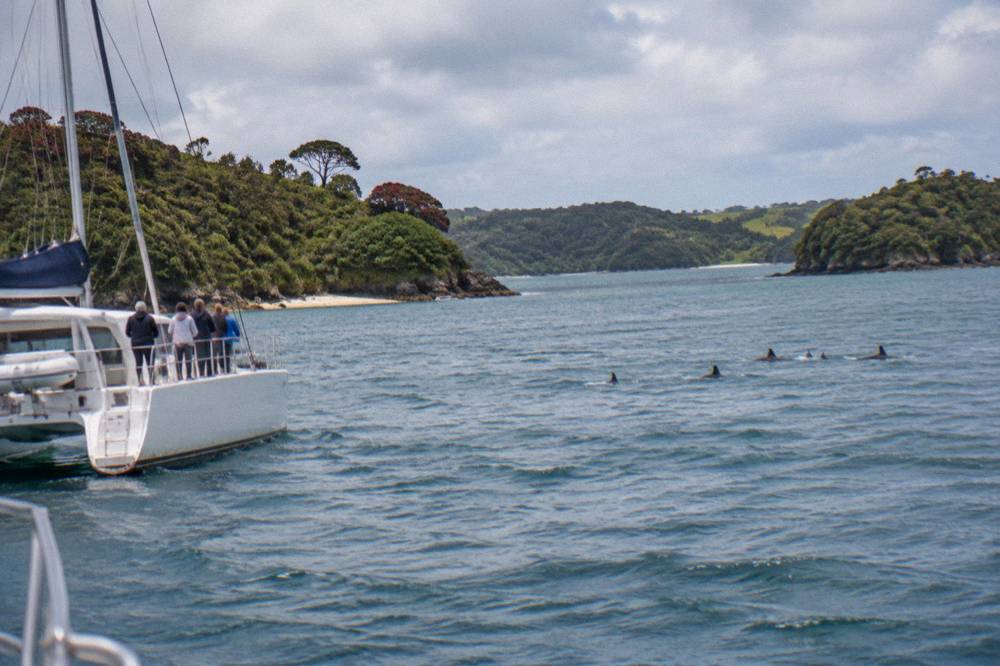
Every cruise boat out of Paihia and Russell must keep 300 m from all marine mammals, and if a dolphin comes closer than 300 m the vessel must stop and stay stopped until it is more than 300 m away. Skippers approach from behind and to the side, never circle a group, and keep leaving speed at or under 10 knots within 300 m. These are the rules that shape what your dolphin watching actually looks like.
That stop-and-wait behaviour is the visible signature of the sanctuary on a real trip. When dolphins approach a cruise boat, the boat does not chase them; it holds position and lets the animals decide the encounter. DOC research suggests marine mammals tend to be 300 m away again within a few minutes, so the pause is usually short. For passengers, this is good news rather than a limitation: the animals, not the boat, decide how close the encounter gets.
The national marine mammal regulations add the manoeuvring detail around every encounter in New Zealand waters, and the sanctuary layer on top makes the 300 m distance apply to every species here rather than varying by animal. No more than three vessels may sit within 300 m of one marine mammal, and aircraft, drones included, must keep more than 150 m away horizontally.
| Rule | What it means on a Bay of Islands cruise |
|---|---|
| No one in the water within 300 m of any marine mammal | Covers swimming, snorkelling, diving and freediving, for everyone |
| Vessels keep 300 m from all marine mammals | Applies to every species in the sanctuary, not just dolphins |
| Vessels stop if a mammal is closer than 300 m | The boat waits until the animal is more than 300 m away |
| No more than three vessels within 300 m | Skippers coordinate so encounters stay uncrowded |
| 10 knots maximum when leaving within 300 m of dolphins | Departure is slow and steady, never a hard turn away |
Operators holding commercial permits carry a DOC licence and follow extra conditions beyond these. The practical upshot for a visitor choosing a tour is simple: every cruise from Paihia or Russell, whether it is the Explore Group Dolphin Eco Cruise at 5 hours 30 minutes from $97.47 per person or the compact Island Getaway three-hour Hole in the Rock cruise from $88.87, is running under the same wildlife law, and the differences between tours are about vessel, route, duration and island stops, not about how close they are allowed to push in.
The overnight option deserves a mention here too. The Rock Adventure overnight cruise, 22 hours on board from $228.19 per person and rated 4.9 across 462 reviews, spends far longer on the water than any day trip. The same 300 m rules apply on board.
Can You Swim At All On A Bay Of Islands Cruise?
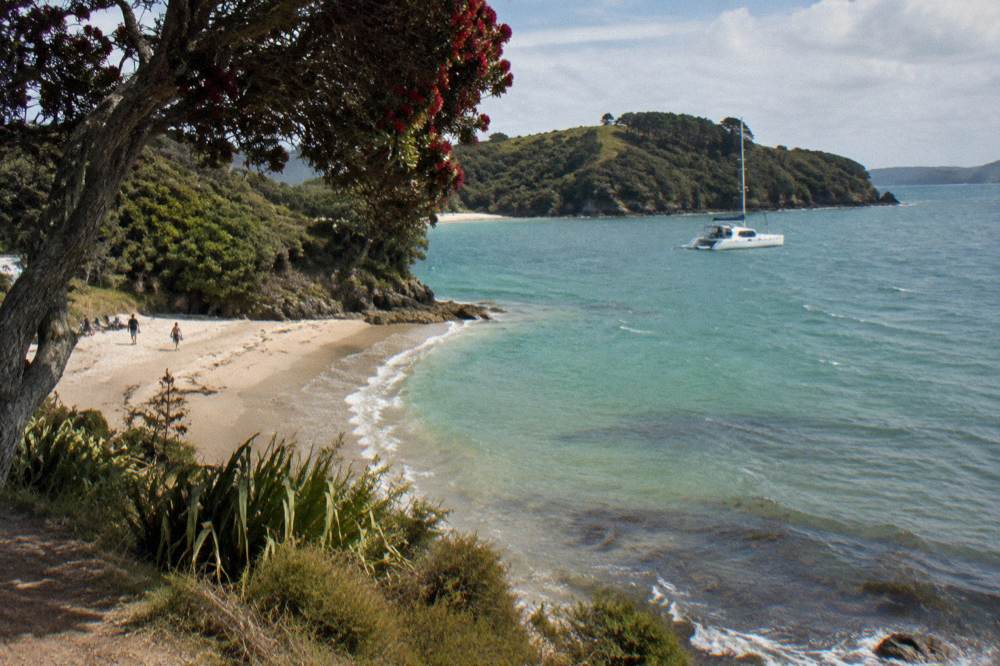
Yes, at the island stops, where several tours offer beach time, and that is a genuinely different thing from a dolphin swim. Several cruises stop at Otehei Bay on Urupukapuka Island or at remoter islands for swimming, snorkelling and walking. The swim happens at a beach, when no marine mammal is within 300 m, never at a dolphin encounter.
The distinction is worth holding clearly, because misleading old marketing blurs it. A dolphin swim means being in the water with the animal. An island beach swim means being in the water at a beach. The Bay of Islands allows the second and prohibits the first, absolutely. Which tour gives you which island time varies, and the honest way to compare is tour by tour:
| Tour | Island stop | Swim or snorkel at the stop |
|---|---|---|
| Explore Group Hole in the Rock, Dolphins and Island Cruise, from $90 | Urupukapuka, about 1.5 hours at Otehei Bay | Swim, explore or sunbathe at the beach |
| Island Getaway Hole in the Rock cruise with two island stops, from $101 | Two island stopovers | Snorkelling equipment included |
| Island Getaway 4.5-hour day cruise, from $101 | Two remote island stopovers | Snorkelling equipment included |
| Carino Wildlife Cruises day cruise, from $131.87 | Island and wildlife day, about 6 hours | Snorkelling equipment included |
| Barefoot Sailing Adventures Island Hopper, from $140.47 | Wildlife sanctuary island, 2 hours ashore | Water activities, snorkel gear included |
| Bay of Islands Kayaking afternoon tour, from $132 | Urupukapuka free time after kayaking | Snorkelling equipment included |
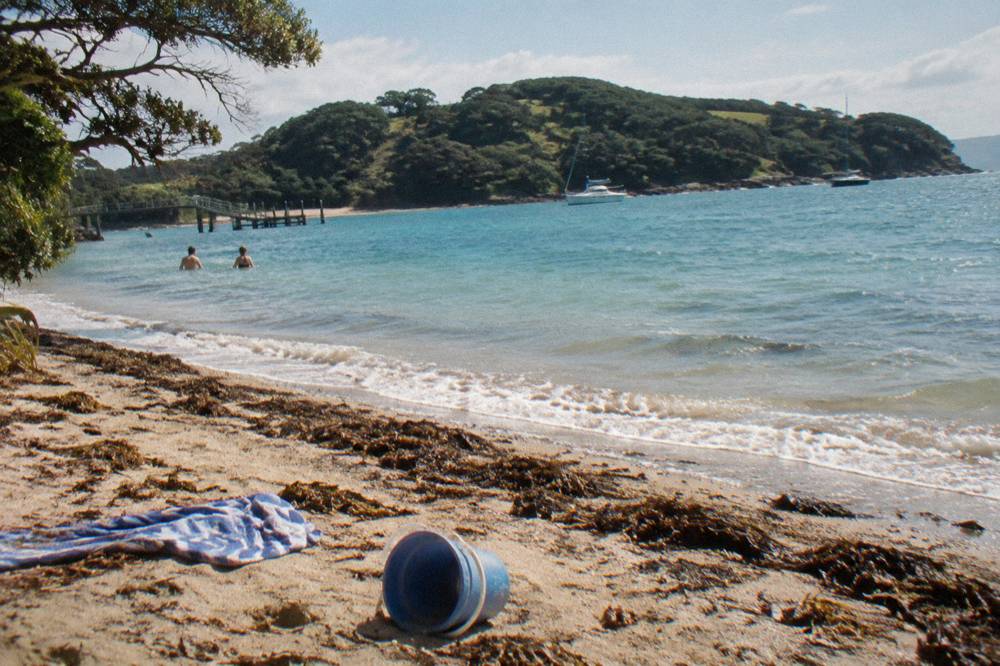
Urupukapuka is the hub of most island time. It is the largest island in the Bay at 208 ha, carries at least 66 recorded archaeological sites including at least eight pa, and its Otehei Bay once served as the game-fishing base of the American writer Zane Grey in 1927. Today the bay has a summer cafe, kayaks and paddleboards for hire in the warmer months, and a conservation centre, with the island's DOC walkway looping the whole island for anyone with energy left after the swim.
One caution for snorkellers and kayakers heading ashore: the islands are predator-free, so check bags, kayaks and gear for stowaway animals before landing. It is a small habit that keeps the reintroduced birds, tieke, kakariki and toutouwai among them, exactly where Project Island Song and DOC have worked to put them.
Which Cruises From Paihia And Russell Watch Dolphins From The Boat?
Seven of the 22 tours covered here name dolphins in their own descriptions, and every one of them is a watching trip from the vessel. The cheapest cruise that names dolphins is the Explore Group Hole in the Rock, Dolphins and Island Cruise at from $90 per person; the most reviewed tour overall is the Island Getaway Hole in the Rock cruise with two island stops, 1,217 reviews and a 4.8 rating, from $101.
Here is the honest framing on sightings: no tour on this site promises a dolphin, with one exception. The Explore Group Day in the Bay cream trip cruise, from $127 for about 8.5 hours, states a dolphin viewing and marine mammal guarantee, and it is the only tour that does. On the other trips that name dolphins, they are part of the operator's description, not a pledge. Bottlenose numbers in the Bay are low, the NIWA modelling shows occurrence is lower in the winter months, and common dolphins, which the operator wildlife guide describes as abundant, remain wild animals that come and go on their own schedule.
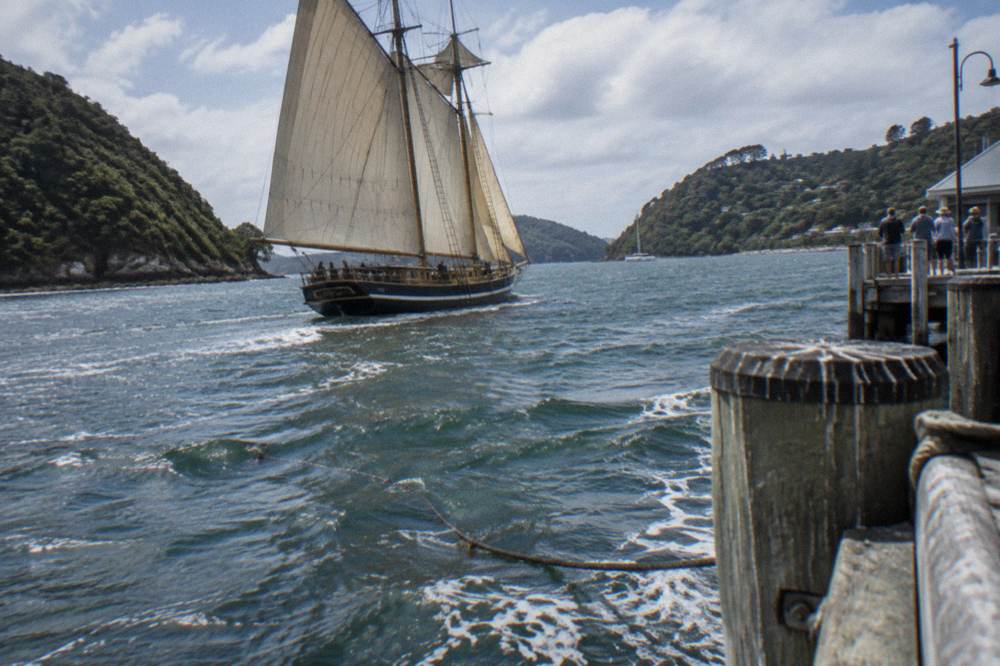
For planning, the watching fleet sorts roughly into three shapes. Big-water day cruises from Paihia and Russell, like the Explore Group Hole in the Rock, Dolphins and Island Cruise on its purpose-built catamaran, cover the Hole in the Rock, open water and an island stop in about 4.5 hours. Sailing trips, the R. Tucker Thompson tall ship day sail with its chicken barbecue lunch from $117.53 and rated 4.9 across 387 reviews, or the Barefoot Sailing Adventures catamaran at a perfect 5.0 across 322 reviews, trade engine noise for canvas and move a little slower through the same water. And compact trips, like the Explore Group Ocean Adventure fast boat to the Hole in the Rock, 1 hour 30 minutes from $97.47 with a minimum age of 7, squeeze the headline sights into a tight window.
The featured cruise on Bay Of Islands Dolphin Cruises sits in the first group: the Explore Group Hole in the Rock, Dolphins and Island Cruise, from $90 for about 4.5 hours from Paihia or Russell, with a 1.5-hour stop at Otehei Bay. The operator mentions dolphins in its description, there is no sighting guarantee, and free cancellation runs to 24 hours before the start.
If the choice is coming down to the water time itself, the deeper comparison on dolphin watching versus swimming in the Bay of Islands works through the same question with the tour-by-tour detail.
Is A Dolphin Watching Cruise From Paihia Still Worth It?
Yes, on its own terms. A watching cruise delivers the Bay of Islands in full: dolphins and other marine life from the deck, the run out to Motukokako past the Cape Brett lighthouse, and a swim at an island beach where it is legal. Day tours run from $63.07 to $166 per person with a median of $111.80.
The value case rests on what a swim would never have given you anyway. A watching cruise covers the whole bay, not one encounter: more than 140 islands, the Cape Brett Peninsula, and a stop at Motukokako, the Hole in the Rock, where the operators describe a visit or photo stop and any closer approach depends on conditions. The Island Getaway three-hour cruise puts 49 guests maximum on the water from Paihia Wharf, Pier 10, and calls at Roberton Island as well, from $88.87 per person.
What the ban does change is expectation, and setting that expectation honestly is the point of this page: come for the watching, the islands and the Hole in the Rock, treat any dolphin as a highlight rather than a purchase, and use the island stop for the swim.
Between those two Island Getaway and Explore Group options, most travellers find their fit: the two-island-stop cruise for snorkel gear and the most reviews of any tour here, the dolphins-and-island cruise for the catamaran and the cheapest fare among the tours that name dolphins.
Getting out for the day is easy from either shore. The Paihia to Russell passenger ferry takes 15 minutes, so a Russell departure is no obstacle if you are staying in Paihia, and cruise operators run from both towns. Whichever trip you pick, the water time is the same sea, the same islands, and, if the day allows, the same dolphins, watched the way the law, and the animals, now require.
What Are The Penalties For Getting In The Water Near A Dolphin?
Swimming, snorkelling, diving or freediving within 300 m of any marine mammal in the Bay of Islands is an offence under the Marine Mammals Protection Act 1978. DOC's guidance lists infringement fees of $400, $600 or $800 depending on the breach, and prosecution can carry a fine of up to $100,000 or up to two years in prison. The rule applies to everyone, with no species or age exceptions, and it is specific to Te Pewhairangi, taking priority over the national regulations. If you want the full background on why you can't swim with dolphins anymore, the sanctuary dates from 2021 and sits on top of the 2019 permit changes.
The sanctuary rule has no grey zone. A person in the water within 300 m of a dolphin, whale or seal is in breach, whether they intended an encounter or drifted into one. Vessels face their own obligations: keep 300 m away, and stop and stay stopped if a marine mammal comes closer, waiting until it moves beyond 300 m. DOC research suggests a few minutes is usually enough for an animal to move off. Compliance with the vessel rules was generally poor in one 20-day sample in the NIWA report, but every vessel observed complied with the no-swimming rule. Our guide to swimming with dolphins in New Zealand and Bay of Islands dolphin cruises covers how the sanctuary compares with the rest of the country.
In practice, no cruise out of Paihia or Russell will put you in the water near a dolphin, because the operators hold DOC licences and follow the same rules. Watching happens from the deck, and any swim happens later at an island beach such as Otehei Bay, only when no marine mammal is within 300 m. That split is exactly what we explain in can you swim with dolphins on a Bay of Islands cruise. Treat the 300 m line as hard law, not advice, and plan your day around watching from the boat.
Common Questions About Swimming With Dolphins In New Zealand
Can You Swim With Dolphins In New Zealand?
Not in the Bay of Islands. The Te Pewhairangi Marine Mammal Sanctuary keeps everyone out of the water within 300 m of any dolphin, whale or seal, covering swimming, snorkelling, diving and freediving. Every dolphin trip from Paihia and Russell is a watching cruise from the vessel.
Why Can't You Swim With Dolphins In The Bay Of Islands Anymore?
The local bottlenose population fell from 244 in summer 1997 to a low of 16 in summer 2019, with an autumn 2024 estimate of 40. The sanctuary, in effect since December 2021, protects the remaining animals by keeping all people and vessels at least 300 m away.
Can You Swim On A Bay Of Islands Cruise At All?
Yes, at island beach stops. Several cruises stop at Otehei Bay on Urupukapuka Island or at remoter islands for swimming, snorkelling and walking. The swim is at a beach, and only when no marine mammal is within 300 m.
Do Any Bay Of Islands Tours Guarantee Dolphin Sightings?
One does. The Explore Group Day in the Bay cream trip cruise, from $127 for about 8.5 hours, states a dolphin viewing and marine mammal guarantee. Every other tour describes dolphins without promising them.
What Happens If You Swim Within 300 M Of A Dolphin?
It is an offence under the sanctuary rules. Infringement fees run to $800, and prosecution can carry up to two years in prison or a fine up to $100,000.
Can You Snorkel On A Bay Of Islands Dolphin Cruise?
Snorkel gear is listed on 10 of the Bay of Islands tours, including Carino, the Island Getaway 4.5-hour cruise, the two-island-stops cruise, the Barefoot Sailing Adventures Island Hopper, the Gungha II day sail, Bayscapes Charters, Phantom Sailing, Vigilant Yacht Charters and both kayak tours. Swims and snorkelling happen at island stops only, never near dolphins, whales or seals, under a 300 metre sanctuary rule.